Five Common Mistakes Students Make Before Exams — and How to Avoid Them
Introduction
As exams approach, it’s natural for students to ramp up their preparation: notes, revision sessions, past papers … the works. At Pioneer Education, over our 10 years of experience helping students from Kindergarten to Year 12 succeed, we’ve seen a recurring pattern: it’s rarely just about whether a student has studied enough. More often it’s about how they prepared—and the common pitfalls they fell into along the way. In this blog post, we’ll walk through five mistakes many students make in the lead‑up to exams and share practical strategies for avoiding them. Get this right, and your child will be far more likely to walk into the exam room confident, calm and ready to perform.
- Mistake: Waiting Until the Last Minute (Procrastination & Cramming)
Many students delay meaningful revision until the days—or even hours—before the exam.
This habit often leads to frantic cramming: reviewing large volumes of material under high pressure, which is a very effective stress generator but a poor way to lock in learning. As one study notes, cramming may allow short‑term recall but typically fails long‑term retention and deeper understanding.
Tip for students:
– Start early.
– Break the syllabus into manageable chunks, set a study timetable, and stick to it. Leaving major revision until the last minute risks fatigue, loss of focus and poorer results.
- Mistake: Using Passive or Ineffective Study Methods
It’s not enough to simply read notes or highlight text—many students fall into this passive mode of study.
Passive revision (just re‑reading textbooks, or highlighting without engagement) may feel productive, but research shows it’s far less effective than active techniques (e.g., self‑testing, explaining concepts, timed practice) for embedding knowledge.
Tip for students:
– Adopt active revision strategies: practise exam‑style questions, use flash‑cards, teach the topic back to yourself (or someone else), and simulate exam conditions with time limits.
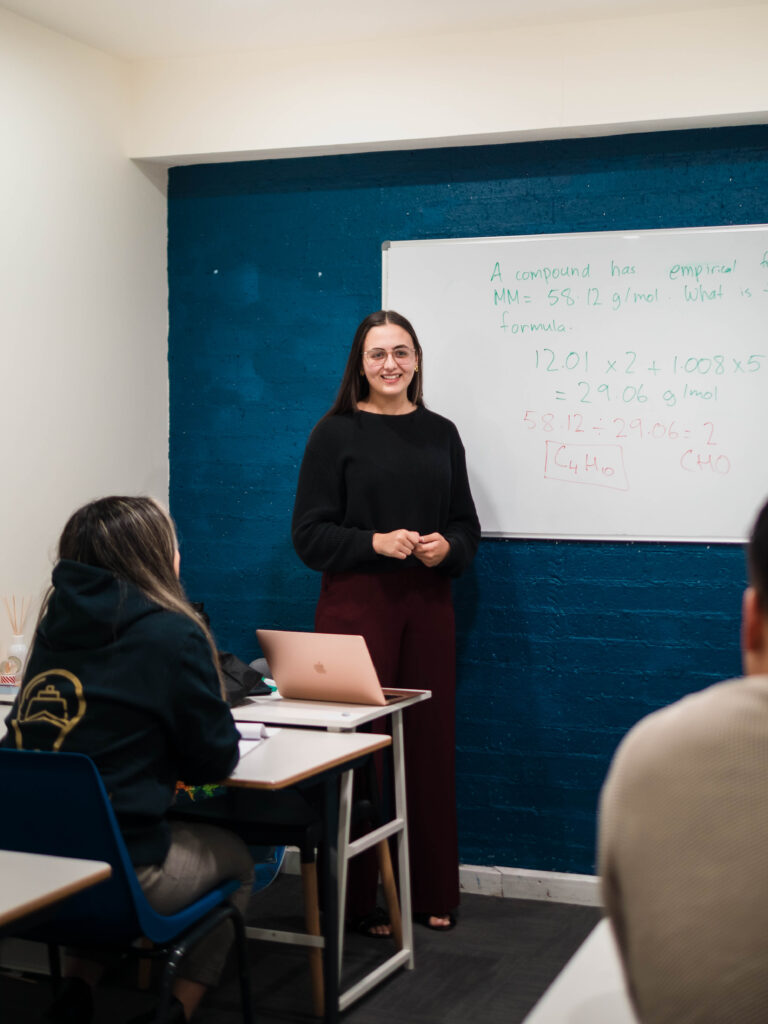
At Pioneer Education, our small‑group classes encourage just this kind of active revision so students don’t just know but can apply what they know.
- Mistake: Neglecting the Exam Day Essentials (Timing, Format, Logistics)
Even well‑prepared students can lose marks by overlooking the logistics of the exam itself.
Mistakes like not understanding the format, running out of time, misreading directions, or forgetting required equipment can cost significant marks. For example, one guide lists “running out of time”, “misunderstanding the format” and “not reading instructions” among the major exam‑day traps.
Tip for students:
– Check the exam timetable and format well in advance.
– On the night before, prepare everything you’ll need (calculator, pens, ID, etc.).
– At the start of the exam, take a few minutes to read all instructions carefully, plan how long you’ll spend per question, and stick to that plan.
- Mistake: Focusing only on Weak Spots—or Only on Strengths
Both extremes are problematic: either spending too much time on topics the student already knows well, or avoiding the tougher ones altogether.
If a student only revises their favourite topics, there’s a risk they’ll be caught out when less familiar material comes up. Likewise, obsessing over weak areas without consolidation of the rest can reduce overall readiness. Educational research emphasises the need for balanced revision: covering all syllabus content but with extra focus where gaps exist.
Tip for students & parents:
Use a revision map:
– Identify all topics in the syllabus.
– Mark which you feel confident about and which you don’t.
– Allocate most time to the weaker topics, but still review the confident ones (so they stay sharp).
In our 1‑on‑1 sessions at Pioneer Education, we do exactly that — tailoring the revision plan to the individual student’s needs so no area is left behind.
- Mistake: Ignoring Well‑Being (Sleep, Nutrition, Stress, Routine)
Often underestimated: the role of health, routine and mindset in exam success.
Students may skip sleep, rely on caffeine, let their routines crumble or become overwhelmed by stress. But exam performance isn’t just academic — it’s physiological and psychological. For example, one list of common mistakes includes “working too hard (to the point of burnout)”, and emphasises the importance of sleep, exercise and downtime.
Tip for students & families:
– Maintain a consistent sleep schedule — aim for 7–9 hours a night.
– Eat balanced meals; avoid heavy sugar or high‑caffeine spikes.
– Schedule short breaks during revision sessions — a quick walk, fresh air, mindfulness.
– Maintain a familiar routine as exam day approaches (so you don’t feel thrown off by change).
At Pioneer Education, we emphasise not just what you study but how you study — including taking care of your wellbeing so your focus and energy on exam day are at their best.
Conclusion
In the final phase before exams, avoiding mistakes is just as important as putting in the work. The five mistakes outlined here—last‑minute cramming, passive study methods, neglecting exam logistics, unbalanced revision, and ignoring wellbeing—are common but entirely avoidable. At Pioneer Education, our tutoring programmes for Years 6–12 are designed to help students steer clear of these traps: small‑group classes of just eight students, tailored 1‑on‑1 support for those who need it, and a focus on building the right habits and mindset for success. If you’d like your child to enter the exam season calm, prepared and confident, why not book a trial class with us? Let’s give them the support they deserve to finish strong.